
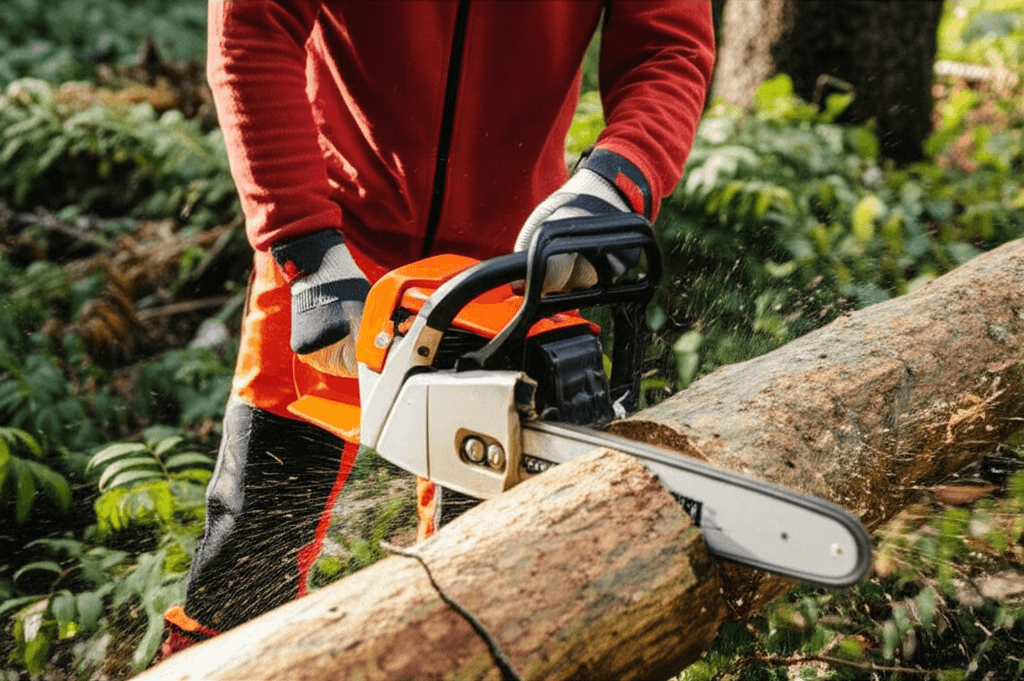
Working With 14-Inch Chainsaws
A 14-inch chainsaw changes how yard work and small property chores get done. It weighs just enough to carry around but cuts through wood like a pro. This size is great for trimming branches or clearing limbs and strong enough to handle small to medium logs. People who want faster, easier yard work will find this saw a total lifesaver. Learn how this tool turns tough tasks into easy wins and makes outdoor work way more fun.
In this article I will walk through safe operating habits, useful cutting techniques, routine maintenance, and buying advice. Whether you are trimming trees around a home or preparing firewood from fallen branches, the tips and examples below are meant to make your time with a 14-inch saw safer and more productive.
Why a 14-inch chainsaw makes sense for many jobs
A 14-inch bar length often suits homeowners and light landscape workers. It offers advantages in three areas
- Portability and control. These saws are lighter than their larger counterparts which reduces fatigue when working aloft or on uneven ground.
- Versatility. A 14-inch bar can handle pruning, cutting small diameter trees, limbing, and crosscutting firewood into manageable lengths.
- Lower cost of ownership. Smaller bars and chains can be cheaper to replace and most units use less fuel or battery power per cut.
Essential safety practices before you start
Before every session do a basic safety checklist. Treat the saw as a controlled hazard by default. Here are critical steps
- Personal protection. Wear eye protection, hearing protection, heavy gloves, long pants, and non slip boots. Consider a face shield if you expect heavy debris.
- Inspect the saw. Check chain tension, chain sharpness, bar oil level, and that all guards and the chain brake work properly.
- Plan the cut area. Remove trip hazards and mark an escape route at a 45 degree angle away from the falling path for any limb or small tree work.
Basic cutting techniques that reduce kickback risk
Understanding how the chain meets wood lowers the chance of kickback and uneven cuts. Here are practical techniques
- Start with the saw on the wood only when the chain is at full speed for thinner cuts. For thicker sections use a stable low resting position before engaging the chain.
- Use the lower half of the bar tip when making forward cuts. The top quadrant is where kickback force is highest so avoid contact there when possible.
- Maintain a firm two handed grip and a stance with weight balanced. If a cut binds, turn off the saw and free the chain rather than forcing it.
Example for limbing operations
When removing limbs from a standing tree work from the bottom upward. Make an undercut first to prevent the limb from pinching the chain then finish with a top cut farther out on the limb. This prevents bark tears and reduces strain on the chain.
Example for felling small trees
For trees under 6 inches diameter use a wedge notch and back cut. Place the notch on the side you want the tree to fall and make the back cut slightly higher than the notch base. Keep escape paths clear and cut with gradual progress rather than a single deep cut.
Maintenance routines to keep the saw performing well
Routine maintenance extends tool life and improves cut quality. Spend a few minutes before and after each session on these items
- Chain tension. A properly tensioned chain will have a small amount of play but will snap back to the bar when lifted. Check tension after the chain warms up.
- Sharpening. A sharp chain reduces load on the engine or motor and makes cuts safer. Use a round file gauge that matches the cutter size and file evenly across all cutters.
- Bar care. Clean the bar groove and the oil hole to keep lubrication flowing. Rotate the bar periodically to equalize wear on both sides.
- Fuel and oil checks. For gas units use fresh fuel mixed to the manufacturer ratio if it is a two stroke. For battery units store packs at moderate charge and avoid full depletion during cold storage.
Chain sharpening tips
Mark the first cutter you sharpen so the next pass starts at a different point and wear is even. Count strokes and keep the angle consistent on every cutter to maintain a uniform cutting plane.
When to replace the chain or bar
If you notice excessive wandering while cutting, heavy vibration, or if sharpenings remove too much material to restore the cutting profile, it is time to swap components. A new chain is often the most cost effective performance upgrade.
Battery versus gas 14-inch saws practical comparison
Choose the power source based on typical job length and maintenance comfort. Both types have pros and cons
- Battery saws. They are quieter and start instantly with less maintenance. For quick yard tasks a battery saw can be very convenient. Run time depends on pack capacity and workload so keep a spare pack for longer jobs.
- Gas saws. They offer longer continuous run time and strong cutting force for thicker wood. They require fuel mixing and routine engine maintenance but excel when extended use is expected away from electricity.
A helpful approach is to match saw type to task. For frequent trimming and overhead work a light battery saw is comfortable. For clearing a fallen tree after a storm a gas saw often makes sense.
Buying and setup tips to get started fast
When shopping for a 14-inch saw compare chain pitch, motor or engine output, weight, and available safety features. Read owner reviews for real world reliability notes and check warranty terms for long term coverage.
If you want a ready list of well rated options look at a focused roundup of the best 14-inch chainsaws which compares models, runtime, and user feedback in one place. That can shorten the research time if you prefer a selection vetted for common homeowner use cases.
- Check the chain pitch and gauge to match replacement parts. Common pitches for this size are 3 8 inch and 1 4 inch.
- Factor in support. Brands with good parts availability reduce downtime when you need a replacement chain, bar, or air filter.
- Test the balance. A saw that feels well balanced in your hands will reduce fatigue and make controlled cuts easier.
Common mistakes and simple troubleshooting
Avoiding common errors prevents damage and improves safety. Here are mistakes I see often and how to fix them
- Poor chain tension. Too loose invites derailment while too tight increases wear. Adjust when cool and check after a short run to allow for thermal expansion.
- Running low on bar oil. An under lubricated bar heats and wears quickly. Refill before long cutting stretches and verify the oil pump flows by watching the bar for a thin film during a test run.
- Skipping filter care on gas units. A clogged air filter reduces power and increases fuel use. Clean or replace filters at recommended intervals.
- Incorrect file angle. Filing at the wrong angle changes cutting behavior. Refer to the chain manual for the correct angle for your chain model.
Practical tips for longer life and better cuts
Small adjustments in habit deliver lasting benefits. Try these simple tricks
- Cut slightly slower and let the chain do the work. Forcing a cut overheats the chain and dulls cutters faster.
- Keep a small toolkit near your work area with a round file, flat file, scrench for tension, and a spare chain link kit for quick fixes.
- Store the saw in a dry place and run the chain dry occasionally after cleaning to prevent rust. For long storage drain fuel in gas models to avoid gum buildup in the carburetor.
Working with a 14-inch chainsaw can be rewarding when you match the tool to the task and follow a few discipline points. Start with routine safety checks and steady, deliberate cutting. Maintain the chain and bar and learn a few basic cuts for limbing and small tree felling. Choosing between battery and gas comes down to how long you expect to run and how much ongoing maintenance you want to handle.
If you are ready to pick a model use the linked resource earlier for a compact list of solid options and model comparisons. After you select a saw practice on small branches before tackling larger pieces. Safety gear is not optional so make it part of every session. Now take a moment to plan your first project with the saw and prepare the workspace. With the right preparation you will finish jobs faster, with cleaner cuts, and with lower risk. If you have specific questions about a model or need a checklist for a first tuning session send the details and I will help you further.