
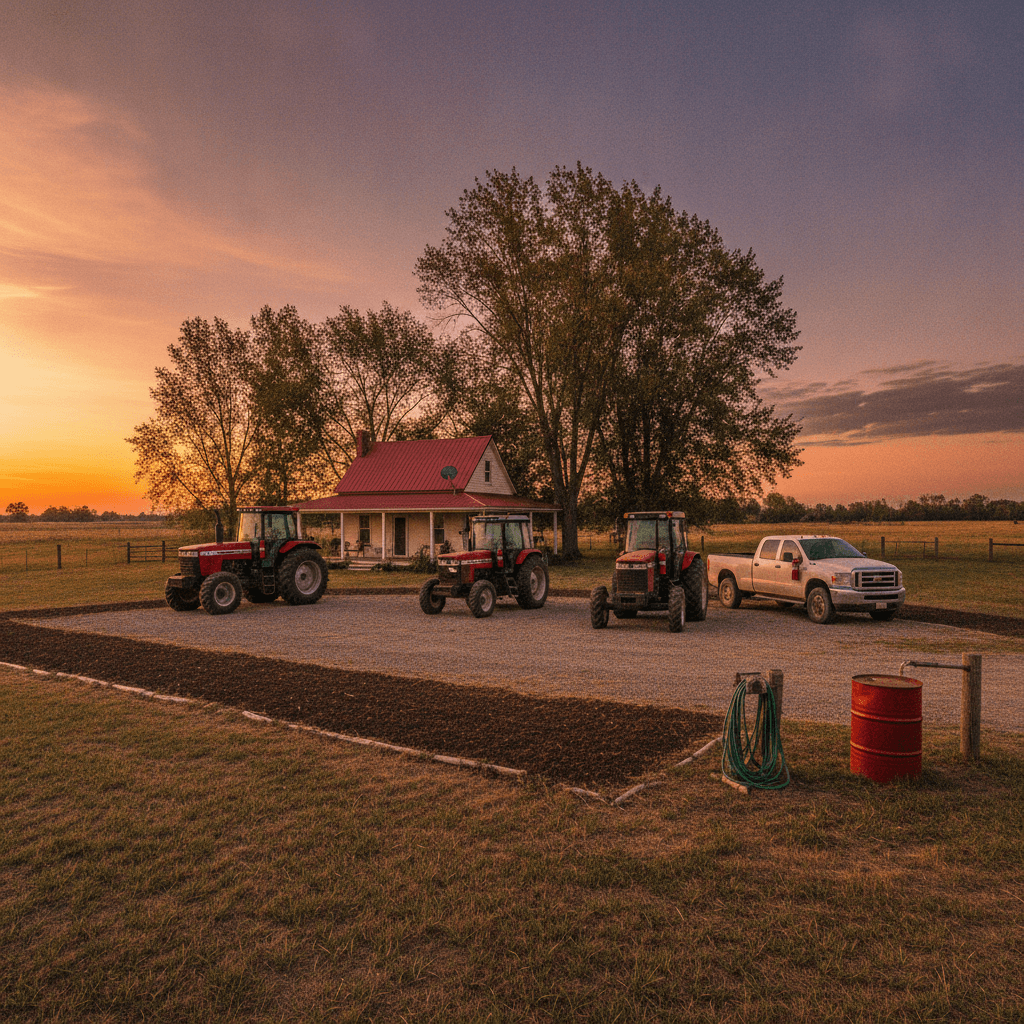
Ensure Fire Safety for Rural Fleets and Homes
Fire safety is a constant concern for everyone but it takes on a unique urgency in rural areas. I have seen firsthand how quickly a small spark can become a raging wildfire when conditions are right. For homeowners and operators of rural fleets, understanding these heightened risks is the first step towards robust protection.
Living or working away from urban centers often means longer response times from emergency services. This isolation means that personal preparedness and effective prevention strategies are not just recommendations. They are absolutely essential for protecting lives property and livelihoods.
My goal here is to share insights and practical advice to help you build a strong fire safety framework. We will explore key areas from home protection to safeguarding vehicles and agricultural equipment. We want to empower you with the knowledge to reduce risks and act decisively if a fire emergency arises.
Understanding Unique Rural Fire Risks
Rural environments present a distinct set of challenges when it comes to fire safety. Unlike urban settings, where fire hydrants are common and fire stations are often just minutes away, rural properties can face significant delays in emergency response. This geographical isolation means every second counts. It also emphasizes the importance of self-sufficiency in initial fire suppression efforts.
One major factor is the prevalence of combustible materials. Dry vegetation such as tall grasses brush and timber is a constant fuel source, especially during hot dry seasons. Agricultural operations add to this risk with large quantities of stored hay crops and equipment that can ignite. I have witnessed how quickly a grass fire can spread, moving faster than any person can run and threatening everything in its path.
Limited access to water is another critical concern. Many rural homes and farms rely on wells ponds or tanks for their water supply. These sources may not be readily available or adequate for fighting a large fire. This makes it vital to think about alternative water storage and delivery methods. It also highlights the need for specialized equipment that can effectively use limited water resources.
Environmental Factors and Fuel Loads
The natural landscape is a beautiful part of rural living but it also contributes to fire hazards. Forests grasslands and fields provide abundant fuel. Drought conditions increase the flammability of this vegetation significantly. High winds can turn a small fire into an inferno in mere minutes carrying embers long distances and starting new fires.
I always advise people in rural areas to understand their local climate patterns and seasonal fire dangers. This knowledge helps you anticipate risks and adjust your readiness plans accordingly. Regular clearing of dry brush and creating defensible spaces around structures are simple yet powerful actions.
Infrastructure and Response Challenges
Rural roads can be narrow unpaved or poorly maintained. This can hinder the speedy access of large fire trucks. Sparse populations mean fewer volunteer firefighters are available to respond quickly. Electrical grids may be older and more exposed to weather events leading to potential ignition sources like downed power lines.
These infrastructure challenges mean that property owners must take on more responsibility for immediate response. Having an initial attack capability can make a huge difference in containing a fire before it escalates. This might include pumps hoses or even specialized vehicles.
Proactive Fire Prevention for Rural Homes
Your home in a rural setting needs a strong defense against fire. Building a defensible space around your property is a cornerstone of this strategy. This means creating zones where fuel for fire is reduced or eliminated. I always recommend at least 30 feet of clear space around your house. This includes removing dead plants leaves and branches. It also means keeping your lawn mowed short.
Beyond the immediate perimeter, extend your efforts to 100 feet or more if possible. Thin out dense vegetation. Trim tree branches that hang over your roof or are close to your home. Make sure firewood piles are kept a safe distance away from any structures.
Maintaining Heating and Electrical Systems
Faulty heating and electrical systems are common causes of house fires. I encourage regular inspections of your furnace chimney and wood-burning stoves. Clean your chimney annually to prevent creosote buildup. Ensure all electrical wiring is up to code and free from damage. Do not overload electrical outlets. Use surge protectors for sensitive electronics.
Space heaters can be a particular risk. Always place them on a flat stable surface. Keep them at least three feet away from anything that can burn. Never leave them unattended. Turn them off when you leave a room or go to sleep. These small habits can prevent major disasters.
Emergency Planning and Escape Routes
Every home needs a detailed fire escape plan. This plan should include at least two escape routes from every room. Practice these routes with all family members regularly. Designate a safe meeting point outside the home. Make sure everyone knows how to call emergency services. This preparation can save lives.
Install smoke detectors on every level of your home and inside each bedroom. Test them monthly. Change their batteries twice a year. Consider interconnected smoke detectors so if one sounds they all sound. Carbon monoxide detectors are also vital especially if you use fuel-burning appliances.
Safeguarding Rural Fleets and Equipment
For rural businesses and farms, your fleet of vehicles and heavy equipment is a significant investment. Protecting these assets from fire is crucial for operations and safety. I often see how a fire involving a single piece of equipment can quickly spread to crops structures or other vehicles. Proper maintenance and operational practices are key.
Regular maintenance is your first line of defense. Keep engines clean and free of oil and debris buildup. Check fuel lines and electrical systems for any leaks or frayed wires. Ensure all exhaust systems are in good repair. A spark from a faulty exhaust can easily ignite dry field material. I advise doing these checks before each use during high-risk seasons.
Fuel Storage and Handling Safety
Storing and handling fuel safely is non-negotiable in rural areas. Keep fuel in approved containers. Store these containers in a well-ventilated area away from ignition sources. This means no smoking near fuel storage. It also means keeping tanks clear of any vegetation that could catch fire.
When refueling equipment always turn off the engine and let it cool. Avoid spilling fuel. If a spill occurs clean it up immediately. Static electricity can be a hazard so use proper grounding techniques when transferring large quantities of fuel. We all know how flammable gasoline and diesel are so treat them with extreme caution.
Equipment Operation and Field Readiness
Operating machinery in dry fields presents a unique fire risk. Harvesting equipment tractors and even ATVs can generate heat or sparks. I recommend carrying a fire extinguisher on every piece of field equipment. It should be easily accessible. Make sure operators are trained on how to use it effectively.
When working in dry conditions take frequent breaks to check equipment for hot spots or accumulating debris. Clean air intakes and exhausts often. Avoid driving vehicles into tall dry grass unless necessary. If you do ensure your vehicle has a spark arrestor on its exhaust. These small steps can prevent a major incident during critical working hours.
Essential Fire Suppression Tools and Strategies
Having the right tools for fire suppression is paramount in rural settings. Because professional response can be delayed, your immediate actions are incredibly important. I always emphasize having accessible and functional equipment. This means more than just a garden hose.
Every rural home and business should have multiple fire extinguishers. Different types are designed for different fires. A Class ABC extinguisher is versatile and suitable for most common fires involving ordinary combustibles flammable liquids and electrical equipment. Place them strategically and ensure everyone knows where they are and how to operate them. I encourage regular practice using an extinguisher on a small controlled fire.
Access to water is the most vital resource. If you have a well or a pond consider installing a dry hydrant or setting up a reliable pump system. Large water tanks or cisterns are excellent investments for properties without immediate access to municipal water lines. Having a readily available supply of water with a pump and hose can provide crucial rural fire protection. We should also consider how to quickly fill these water sources if needed.
Specialized Equipment for Rural Needs
For larger properties or those with significant vegetation, specialized fire suppression equipment can be a game changer. Skid units for pickup trucks are a popular option. These units often include a water tank a pump and a hose reel allowing for rapid deployment to small fires. They are perfect for containing brush fires or protecting outbuildings.
I have seen these units effectively put out fires that could have otherwise caused extensive damage. They provide a mobile and immediate response capability. It is also wise to consider fire-resistant landscaping choices. Create breaks in vegetation with rock gardens or gravel paths. This helps slow a fire’s advance.
Developing a Comprehensive Fire Safety Plan
A comprehensive fire safety plan is more than just having extinguishers on hand. It is a roadmap for preparedness and response. I always tell people that a good plan considers every aspect of their rural environment. This involves assessing your specific risks. It also includes outlining clear actions for prevention and emergency response.
Start by identifying all potential fire hazards on your property. This could be anything from dry grass near a barn to old wiring in an outbuilding. Once identified address these hazards systematically. Remove dry vegetation. Repair faulty wiring. Secure fuel storage areas. These preventative steps are the foundation of your plan.
Next establish clear communication protocols. How will you alert everyone on the property in case of a fire? What is the emergency contact information for local fire departments? Post these numbers prominently. Make sure cell phones are charged. Have a landline phone as a backup if cell service is unreliable.
Drills and Training for Preparedness
A plan is only as good as its execution. Regular fire drills are critical for both homes and businesses. Practice evacuating your home with your family. Ensure everyone knows the escape routes and the designated meeting point. For fleet operators train all employees on how to use fire suppression equipment on vehicles. Show them how to manage small fires safely.
Review and update your plan annually. Changes in property layout new equipment or new family members require adjustments. Keep emergency kits ready with essential supplies like first aid kits water and important documents. These kits should be easily accessible during an evacuation.
Conclusion: Stay Vigilant and Prepared Against Rural Fires
I hope this discussion highlights the profound importance of fire safety in rural areas. It is a topic that demands our constant attention and proactive measures. The unique challenges of remote locations dry conditions and limited emergency response resources mean that personal preparedness is not just an option but a critical necessity. We have explored everything from creating defensible spaces around your home to rigorously maintaining your vehicle fleet. We also looked at the absolute necessity of accessible and appropriate fire suppression tools. Remember, every action you take now to prevent a fire reduces the likelihood of a disaster. Every plan you make for emergencies increases your chances of minimizing damage and protecting lives. I encourage you to review your own property and operations with a critical eye. Identify any potential fire hazards. Take immediate steps to mitigate those risks. Develop a detailed emergency plan with your family or your team. Practice those plans regularly so everyone knows exactly what to do if a fire breaks out. Staying vigilant and prepared is the best way to ensure the safety and security of your rural home and your valuable fleet.