
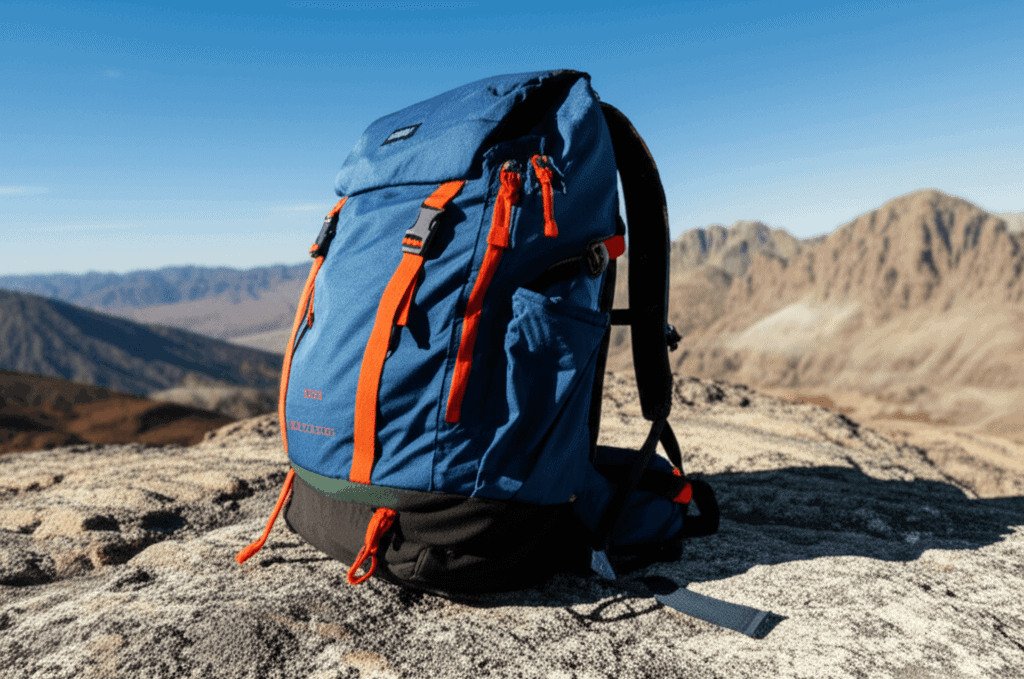
What Every Backpacker Needs To Know About Remote Travel
Exploring spots off the beaten path offers incredible perks. Travelers ditch crowded hostels and famous sites for peaceful trails, genuine local vibes, and sights that feel like secret gems. But this freedom comes with weighty responsibilities. With limited services nearby, one small mistake can cause serious problems. The audience looking for bold adventures will get helpful tips and real-life stories to plan trips that mix guts with good sense. Keep going to learn how to dive into daring travel while avoiding the usual pitfalls.
Whether you are planning multiweek crossings, single 24 hour hikes from a remote base, or extended stays in areas with limited infrastructure, understanding what to prepare for will save time, money, and stress. Read on for clear steps on planning, gear, health, communication, and emergency responses that fit realistic backpacking conditions.
Planning and route selection for remote journeys
Good planning begins with realistic goals. Start by matching your route to the skills, fitness, and time available. If you want solitude, add extra buffer days for weather or slow trail conditions. Check recent trip reports from online forums and local outfitters. A single recent trip report can highlight hazards such as washed out bridges, seasonal river crossings, or recent wildlife activity that might not appear on older maps.
Make a simple itinerary with checkpoints and flexible exit options. Share that itinerary with a trusted friend or family member and update them if plans change. For longer loops, consider staging resupply points. If you plan to travel in an area without marked trails, practice route finding on easier terrain first and carry physical maps and a compass as backups.
Essential gear checklist for remote backpacking
Packing for remoteness is about redundancy and weight balance. Choose items that serve multiple purposes so you can keep pack weight reasonable while still covering critical needs.
- Backpack with a comfortable fit and load lifters
- Layered clothing system for insulation and moisture control
- Reliable shelter appropriate to season and terrain
- Sleeping system rated for expected lows
- Cook system and fuel plus a backup stove option
- Water treatment method and at least two water containers
- Food for planned days plus emergency calories
- First aid kit matched to group size and trip difficulty
- Fire starting kit that tolerates wet conditions
Test gear before the trip. A tent with a minor seam issue will be a nuisance at home but a serious problem in a remote valley. Replace or fix items during a shakedown outing so nothing surprises you when it matters.
Navigation and communication in areas with limited service
Modern gadgets are great until battery levels drop and signals vanish. Build a communication plan that assumes mobile coverage is intermittent.
Offline navigation tools and skills
Carry paper maps and a compass and refresh route reading skills. Learning to read contour lines, estimate travel time based on slope, and identify escape routes is high value. GPS devices and mapping apps are useful, but download offline maps and bring spare batteries or power banks. Keep a backup handheld GPS or a dedicated device with a strong battery life for multi day treks.
Communication devices and backups
If you travel where cell service is unreliable, consider satellite messengers or PLBs that send an SOS and GPS coordinates. Those devices can be lifesavers in real emergencies. Practice sending test messages and learn the operating protocol before you need it. Bring spare charging methods such as solar panels for extended trips and keep devices in dry, protective cases.
Health precautions and first aid for remote settings
Medical care may be hours or days away. Prepare accordingly by carrying a well stocked first aid kit and the knowledge to use it. Tailor contents to the group and environment. For example, include snake bite care supplies in regions where venomous species appear and extra blister care for long daily mileage.
Key items and actions
- Personal medication for the trip plus a few extra doses kept separate
- Antibiotic ointment, sterile dressings, and wound closure strips
- Analgesics and anti inflammatory medication
- Items for managing dehydration and mild hypothermia
- A small suture kit for trained users or wound staplers where legal
Learn basic wilderness first aid, including splinting, wound cleaning, and treating shock. Hands on courses build confidence and decision making skills. In many cases, quick, calm action at the scene stabilizes a situation long enough to reach professional care.
Water, food, and resupply strategies
Water is one of the highest priority items. Know sources along your route and treat water to avoid gastrointestinal infections that can ruin a trip. Carry both a primary treatment method and a backup. For food, plan for reliable calories that are lightweight and require minimal prep. If you must resupply in remote towns, call ahead to confirm hours and stock. Local schedules may differ from online listings and seasonal closures are common in small communities.
Example resupply plan
- Prepack two to three days of food per resupply stop
- Label bags clearly with dates and contents
- Leave notes with postal carriers or outfitters if you expect delays
Risk management and wildlife awareness
Understand common hazards for the area and adapt behavior accordingly. In bear country that means food storage, cleaning routines, and campsite choice. In alpine terrain pay attention to snowpack and rockfall risk. If rivers are part of the route, watch for high flows after heavy rain and learn safe fording techniques.
Practical tips
- Store food downwind and away from sleeping areas
- Use bear hangs or bear canisters where required
- Keep noise while moving through dense vegetation to reduce surprising wildlife
- Practice emergency responses for common local species
Emergency planning and evacuation options
No one expects a serious mishap, but planning for evacuation reduces chaos when trouble arrives. Identify potential pickup points and alternative routes. If you have a satellite messenger or PLB, preprogram contacts with clear information on the route and vehicle location if applicable. Create simple checklists for the group covering who carries which items, how to treat injuries, and when to call for SAR intervention.
Example decision framework for evacuation
- Minor injury treat and continue with modified plan
- Moderate injury move to nearest road or water source for faster access
- Severe injury send SOS with location and stay put unless staying put increases risk
Legal and cultural considerations in remote regions
Laws and local customs vary. Some remote areas are protected reserves with rules about campfires, group size, and permitted routes. Research permits, seasonal closures, and cultural sensitivities before you go. Respect local wishes about sacred sites and private land. It’s both safe and courteous to ask permission before entering lands used by indigenous or private communities.
Practical travel insurance and cost considerations
Insurance that covers rescue and evacuation is a good investment when medical facilities are distant. Compare providers and read policy details about exclusions and limits. Some policies require specific devices such as PLBs to be used for an evacuation to be covered. Keep digital and printed copies of policy numbers and emergency contact instructions accessible.
If you want a checklist you can print and carry, several reputable sources publish concise pack lists and scenario checklists. One such resource covering emergency planning and personal gear is available at remote travel safety which includes templates and equipment suggestions tailored to backcountry travel.
Behavioral habits that keep groups safe
Group dynamics affect safety. Establish clear leadership for decisions related to pace, camp location, and response to changing conditions. Encourage honest communication about fatigue and ailments so small issues do not grow into big ones. Rotate responsibilities so everyone contributes and stays engaged. Regularly recheck the map together so each member understands the plan.
Preparing mentally for solitude and limited support
Remote travel tests patience and resilience. Expect delays and moments of boredom. Simple mental strategies reduce stress. Keep a list of short tasks to break up long days. Practicing mindfulness helps reduce anxiety when you are alone or when conditions worsen. Build fallback plans to make choices easier: for example, set a strict turnaround time for a summit attempt rather than making it a judgment call when tired.
Finally, record lessons learned after each trip. Note what worked, what was forgotten, and what would be changed. Over time this practice produces a personal playbook that reduces risk and improves enjoyment without adding complexity.
Conclusion
Traveling to remote places rewards curiosity and gives access to scenes and experiences most travelers never see. The tradeoff is that you must take extra responsibility for planning, gear, health, and communication. Follow clear planning steps, prioritize reliable gear and redundancy, learn basic medical and route finding skills, and set simple group rules. Bring ways to call for help and practice using them before you leave home. Most of all, keep learning: every trip teaches something new about what works in different climates and terrains. If you prepare carefully and act deliberately you will widen your travel options while reducing risk. Start building a checklist now, sign up for a hands on first aid class, and plan a short practice trip to try equipment and group roles. That small investment in preparation will make remote trips safer and more rewarding. Ready to plan your next route